Search This Blog

Wednesday, November 19, 2014

NEACURH Regionals 2014 - Event


This past weekend I attended and presented at a conference focused on student leadership in college residential life. The Northeast Affiliate of College and University Residence Halls (NEACURH) hosted this conference in Syracuse, NY. It was a tremendous experience getting the chance to speak to and learn from over 400 other student leaders from New York, New England, and Canada. I attended sessions that looked at recruitment and retention of student leaders, student affairs professions, and attended a boardroom where over 50 presidents of Residential groups around the Northeast shared ideas and issues. 
            One great experience that I had at this conference was to actually present a program for other students. The program that I presented at NEACURH was about the Plus/Delta system. I have been utilizing as a review mechanism for the past year with the Resident Student Association and it has been extremely effective. This system is something that I first learned while working with PASA over the summer and I was not very interested in it at that time. But as I entered this school year and it was reintroduced in class, I began to use it and found it extremely helpful. It places students in a completely different mindset as they are reviewing an event or meeting. I am so glad that we discussed and have been utilizing this in class because it has split over into my professional life as RSA president and even as a presenter for a large residential life conference!


NEACURH Regional Conference: http://neacurhregionals2014.weebly.comNEACURH -

RK - Blog Post


Resilient Kids seems like an absolutely incredible program. It brings a unique way of thinkng, living, and exercising both body and soul to youth who would never be exposed to such a process. Yoga is something that is typically associated with young adult women, but it is a tremendous device that any person can study. Resilient Kids does precisely what I believe a youth group should do, they provide an activity for youth that they could not get elsewhere and the youth learn not only skills associated with the activity but life skills as well.

            Youth need outlets for aggression, stress, etc. and the primary way for these youth to get out these feelings is through activity. In many places this can mean recreational sports or other organized youth activities. But in some areas, there are no recreational sports. Kids may get together to play together but this is not the same as a structured, adult organized sport effort. Without the supervision of adults or authority figures, it can be extremely hard for youth to channel their stress in a healthy way. This can lead youths to make bad decisions as a coping mechanism for aggression. Resilient kids wants to stop this cycle at its source. This organization looks at providing stress management life skills to students that they can take with them and use for the rest of their lives. I am incredibly impressed by this organization and the mission is something that I believe is essential for youth.

Friday, November 14, 2014

Open House - Event


Every year that I have been at Rhode Island College I have helped with open house. Typically I would walk tour groups around the residential side of campus and answer their basic questions about the campus. But this year was different; I was now responsible for taking prospective students and their families through Thorp Hall to see the residence hall. This allowed for a far more intimate setting and provided me a chance to plug for Youth Development.
            Most groups heard my major and I explained that it was for people interested in working with or for students outside of a traditional classroom setting. This was good enough for most tour groups. But there was one small family, a mother and son, who were deeply interested in this. They had seen the Y-Dev table earlier in the day and the student was curious about the program. I explained to him what we study and where the focus is for after college. The student lit up at this conversation and went on to explain to me how valuable his theater company had been for him in high school. I told him that those types of programs are exactly what Youth Development is all about. The student expressed some serious interest in youth development, which was extremely exciting. The idea that a student could come to RIC specifically for Y-Dev is an amazing thing to think about!
            Elevator speeches are an obvious connection to any interaction that involves spreading the word of the Y-Dev program. These speeches are critical to garnering student interest. In my interactions with students, particularly the student I spoke of above, I was able to use what I learned from that class to encapsulate what Y-Dev is. It would have been tough to have a legitimate conversation with this prospective student if I did not have the opportunity to discuss with my fellow students the purpose of the Y-Dev experience.

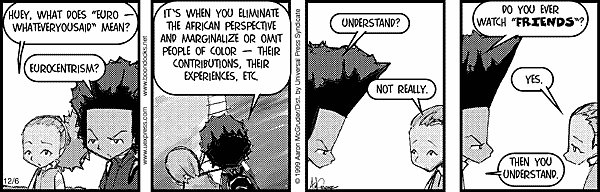
Integrating multicultural backgrounds into education is a subject I am particularly passionate about. The idea that thousands of years of history are swept under the rug to focus solely on white history is deplorable. It is no surprise to me that many school with large minority populations struggle. Students cannot maintain an interest in an education that teaches them year after year about a culture that they do not come from. There are literally hundreds of cultures around the world that have unique literature, history, etc. but these are not taught in our school system.
            Learning about people that “look like me” is a simple thought but can be incredibly powerful for students. There is an immediate buy-in for students when they are studying a culture that they have a connection to. The education system must take stock in this and push for reform in these areas. But while the slow process of educational reform is occurring, it is the responsibility of youth workers to provide students access to these cultures. Encouraging students to explore their family background or to look for literature or history specific to their family culture can truly build an interest in education.

            The idea that nothing happened in history or literature before white men came to an area is absolutely ridiculous. The argument that there was a lack of education or written records is hard to argue. Oral tradition is something that has existed for thousands of years and was considered a legitimate form of literature for people like Homer. I hope that someday the push in education will be for a full and diverse world education and this will allow students to feel invested in their education because it relates directly to their family history.